Posted on Leave a comment

Paperwhite Flowers

Growing and Caring for Paperwhites

Paperwhite flowers are super easy to grow and add a nice pop of color to the room during cold weather months. People often ask me how to care for paperwhites so I’ve outlined my process below in a few simple steps.

Five Steps for Growing and Caring for Paperwhites

  1. Paperwhites belong to the narcissus family, same as daffodils, and are commonly grown inside during the winter months. There are a number of varieties, so have fun selecting your favorites. Bulb size matters, so go for the biggest bulbs you can get your hands on for stronger stems and more flowers.
  2. Consider using an organic potting soil for your plants. Potting soil is different from garden dirt, its lighter (often containing fertilizer) to help plants develop strong root systems. Some people use stones or marble instead of soil, which is fine too.
  3. You can use any container (preferably with drainage holes to prevent water build up). The container size needed depends on the numbers of bulbs you are planting. These flowers look nice planted in clusters. For a strong showing, consider combining paperwhites with amaryllis in the planter.
  4. Plant the bulbs on top of the soil and press them slightly into the dirt. The bulbs should be near fully exposed.
  5. Place your planter in a location with full or filtered sunlight and water every 2-3 days. (These plants do not like wet feet, so avoid overwatering. (Turn the ceiling fan on if you need to dry them.) More sun is better, but if that’s not an option for you, I’ve tested different locations in my home and have found they do well almost anywhere (regardless of the amount of sunlight). Some plants can get leggy with insufficient sunlight. If so, consider staking them.

Post Harvest Care

Cut the stems once all flowers are spent and store the bulbs and container in a cool dry place. You can store the bulbs in a paper bag in a basement or garage. My bulbs often have babies, which I leave attached to the mother bulb. It may take a couple years, but the babies will flower eventually.

If you found this article was helpful, please consider tagging #le_pommier_org on IG or #LePommierLLC on FB in your posts.

Happy Growing!

Posted on Leave a comment

Growing Amaryllis

A guide for the care and feed of amaryllis plants

Getting Started

Amaryllis are the perfect flower for growing indoors during the cold weather months. People often ask me how to care for these bulbs so they produce flowers year-after-year. I’ve outlined my process below in five simple steps.I hope you find them helpful.

Five Steps for Successfully Growing Amaryllis

To grow Amaryllis you only need three tools: a garden pot or vase, the growing medium, and one or more amaryllis bulb(s).

  1. Choosing the right bulb is of utmost importance. Amaryllis come in all kinds of varieties producing various stem lengths and flower colors. So go crazy and pick out a good one. After selecting the variety, bulb size is equally important because the bulb size generally determines how many stems and flowers the bulb will produce. (Bulb size is a measurement of the bulb’s circumference taken at the widest part.)

Longfield Gardens published the below metrics for how many stems and flowers each size bulb is likely to produce:

26/28 cm – 1 stem (occasionally 2) with 3 to 4 flowers

28/30 cm – 1-2 stems with 3-4 flowers per stem

30/32 cm – 2 stems with 4-5 flowers per stem

32/34 cm – 2 stems (occasionally 3) with 4-5 flowers per stem

34/36 cm – 3 stems with 4-5 flowers per stem

See https://www.longfield-gardens.com/blog/?p=amaryllis-bulb-size-what-the-measurements-mean-and-why-they-matter#:~:text=Amaryllis%20bulbs%20are%20sized%20by,%2C%20measuring%2034%2F36%20cm.

2. Growing medium is probably less important for amaryllis. Amaryllis are known to thrive in circumstances of neglect, e.g., in wax housings or glass vases filled with rocks. My preference is to set the bulb on top of organic potting soil. Remember, the bulb should be fully exposed with only 1-2 inches of the base covered by soil or other potting medium. You can cover the soil with moss if you would like to add more interest to the pot.

3. Regarding the container, you can use a glass vase or a 4-6″ garden pot. You don’t need a lot of room unless you are planning to put multiple plants in a single container. (If so, adjust the pot size accordingly.) You may want to stake longer amaryllis stems with, e.g., bamboo, etc. (18-24″ inches tall) and secure with Velcro tape.

4. Amaryllis do not like wet feet, so water only as needed. The soil should feel damp to the touch but not wet. My rule of thumb is to water every 2-3 days with a small amount. If you think you over watered the plant, turn the ceiling fan on to help dry the top soil. Your amaryllis should begin to flower within 2-3 weeks of bringing the plant indoors, with larger bulbs blooming for up to two months.

5. After the flowers are spent, remember to cut the stems down to the bulb to make room for more stems to grow, taking care not to cut the leaves. After all flowers are spent, you should have a plant with long chunky green leaves.

Post Harvest Care

Consider the bulb as a power station for your flowers. Taking care to feed the bulb’s energy needs throughout the year with plenty of sun exposure, the bulb size will increase incrementally and produce even more flowers and thicker /stronger stems for years to come. You can keep your plant going throughout the year by setting the pot in a sunny window indoors and outside in the summer. I generally let my amaryllis go through to October and then cut the leaves down flat against the bulb (removing all plant matter). You can store the bulb in a cool dry place, e.g., in a paper bag, until you are ready to start again. I usually start mine in early December. You don’t need to water the bulbs while they are dormant (in storage).

Happy Growing!

Posted on Leave a comment

Growing from Seeds

Few things are more satisfying than watching plants blossom in your personal garden after months of hard work and sharing home-grown produce with friends and family. This year I took on the challenge of growing more than one hundred different herb and vegetable varieties from seed and it has completely blown my mind how much fun and how easy it is. One of the more exciting moments has been watching my tomatoes grow from tiny seeds (shared with me last summer by a fellow gardener) to tall stout plants. Another benefit of growing your own plants from seed is gaining access to speciality or heirloom cultivars that are not available locally.

I documented my process below with some tips and tricks on growing from seed to help accelerate your gardening journey.

When to Start Plants

Depending on your growing zone, it is often necessary and helpful to start seeds indoors to give them a head start before planting outside. Farmers Almanac publishes a planting schedule based on your agriculture zone and crop type with recommended seed start dates, depending on whether you start seeds indoors or outdoors or transplant crops. You can view the calendar for your area by clicking here and entering your zip code.

Tools

Listed below are some of the tools that I use for growing plants from seed. It is not necessary to buy a lot of expensive tools but these are the ones that have worked for me.

  • Seeds
  • Labels
  • Sharpie
  • Potting soil ( I use Miracle Grow cocoa coir organic potting soil)
  • Seed tray (I use 72 cell trays)
  • Water catch tray
  • Humidity dome
  • Heat mat
  • Digital thermometer
  • Dibber (a butter knife works too)
  • Grow lights (LED shop lights from Home Depot work really well)
  • Timer
  • Bench/Table
  • Fan
  • Water pot

Getting Started

Seed trays generally have holes in the bottom for water flow and need to be placed inside a water catch tray. Fill the seed trays with damp potting soil and place 1-2 seeds in each cell. Label plants for future reference (with the planting date and variety name). Place the water catch tray on the heat mat and cover the seed tray with a humidity dome. Set the heat mat temperature between 82-86 degrees. Doing this speeds up the process of seed germination. The humidity dome maintains moisture in the air and soil. (It is possible to grow seeds without a heat mat or humidity dome but I’ve had higher and faster germination rates with both.)

Once seeds germinate (sprout), remove the humidity dome and heat mat. Set the fan on low for a couple hours daily to prevent moisture build up (and the appearance of fruit flies). Set seed trays under a grow light for twelve hours per day. I use a timer to control the grow light. (Plants generally need some darkness to grow. Leaving lights on for 24 hours at a time will not speed up growth and should be avoided.)

Bottom water plants by pouring water into the tray and allowing the water to be absorbed into the soil. Bottom watering minimizes the risk of plants dampening off (or dying). The soil should be moist but not wet. Once plants have reached a healthy size (generally after 6-8 weeks for most varieties), set the seed tray outside for a few hours each day to harden off your seedlings. This final step before planting is super important to facilitate plant transition from a controlled indoor environment to the outside elements. Some plants require pinching off after the first 3-5 sets of leaves to encourage branching for fuller and bushier plants. (Refer to the tomato plant image below to see the lower branching.) Happy growing.

Subscribe to our blog for more planting tips and updates from the farm.

Image: Sun Sugar Tomato Plant

Posted on 2 Comments

Growing Sweet Pea

If your hands are feeling idle and you find yourself longing to get your fingers back into the dirt, sweet pea should be at the top of your list for spring planting. Sweet pea are tall elegant vining flowers long used in Victorian and cottage gardens for their fragrant and colorful blooms. Long stems also make sweet pea ideal for cutting gardens. While not the easiest flowers to grow, you can successfully grow sweet pea by following these five simple steps.

Five Steps for Growing Sweet Pea: Soak, Sew, Cut Back, Plant, Feed

Sweet pea prefer cooler weather and may be planted outside after the last frost date. Many gardeners prefer to get a head start by planting seeds in trays inside, which can be done six to seven weeks before the last frost date. You can check the last frost date for your area on the Farmers Almanac website at https://www.almanac.com/gardening/frostdates by entering your zip code in the search bar. Then, follow these five simple steps.

1. Soak Seeds

Sweet pea have round hard seeds that look like peppercorns. Before planting, first soak seeds in room temperature water for 24 hours. Some gardeners also nick the surface of the seed with a knife to encourage them to grow.

2. Sew Seeds

Sew seeds in a sunny area one inch deep and six inches apart. If planting in trays, place the seed tray under a sunny window or a grow light. Plants generally need eight to ten hours of sunlight daily to grow. Sweet pea seeds germinate within one to two weeks of planting. During this time, the soil should be kept damp but not wet. Overwatering can cause root rot or plants to dampen off (turn yellow and die).

3. Cut Back

Once seedlings emerge and sprouts reach six inches tall, pinch or cut off the top one inch. Cutting seedlings back is a necessary step to encourage thicker stronger stems and will cause plants to branch out (for fuller/bushier plants).

4. Plant Seedlings

If started inside, plant seedlings outside after the last frost date. Remember to harden plants off before planting them outside. (Bring trays outside during the day and inside at night for one week to allow plants to adjust.) Sweet pea should be planted in a sunny location with a minimum of eight to ten hours of sunlight per day, spaced six inches apart. Because most sweet pea varieties reach six to eight feet tall when fully grown, plants will require support (with a bamboo stake, tee-pee, obelisk, or trellis). If using stakes, consider attaching garden netting to the stakes to support a wider area of plants. If using pots, plant seedlings along the perimeter of the pot and insert an obelisk or other support structure in the center. Secure plants with string to the support structure.

Because plants grow as much as one foot each week, check them weekly and tie up new growth as stems grow taller.

5. Feed Flowers

Sweet pea are generally considered hungry plants and will require monthly feedings of high potash fertilizer. (Tomato feed generally works well.)

Flowers should emerge 90-120 days after vining. To encourage new growth, cut flowers regularly. Sweet pea typically bloom from June through October, depending on where you live and when plants were started. Flowers will last up to four days in a vase with water.

Save seed pods in the fall for planting the following year. Sweet pea are not edible plants but the seed pods do look like the edible variety namesake.

Posted on 1 Comment

Growing Dahlias

Henry David Thoreau said, “Where the most beautiful wild flowers grow, there man’s spirit is fed and poets grow.” These words highlight the benefits of spending time in nature and inspired this post about dahlias.

Dahlias are one of my favorite flowers. They are super easy to grow. Moreover, the broad swath of dahlia varieties available make them collector’s items to fans. Dahlias are tuberous plants that produce flowers in a variety of shapes and colors throughout the summer. Long stems make them particularly great for cutting, displaying, and sharing with friends and family.

Dahlias can be grown from seed but are more commonly propagated from tubers. This is because dahlias grown from tubers are genetically like their mother plant, whereas flowers grown from seed are unpredictable and often look very different from the mother plant.

Dahlias are native to USDA plant hardiness zones 8-10 and when properly cared for will reward you with new flowers year after year. Growers outside zones 8-10 typically need to dig up the tubers in the fall and store them in a cool dry place until they can be replanted the following year. You can look up your plant hardiness zone using your zip code by visiting USDA’s website at https://planthardiness.ars.usda.gov.

Getting Started

Dahlia tuber’s have a craggy anatomy consisting of a neck and body. While it is difficult to see them in the winter months, an eye forms on the neck of the tuber where shoots will sprout with leaves and eventually stems and flowers. Each tuber can have multiple eyes and produce many flowers. It is important to carefully handle tubers to avoid damaging the neck or eyes, both of which are vital to the tuber’s health.

It generally takes three to five weeks for dahlia tubers to begin sprouting and eight weeks to flower. Because of this long ramp up time, many growers pre-sprout tubers inside to get a head start before planting outside. To start indoors, plant the tuber in a small pot of damp soil lengthwise with the neck just above the soil line. Because dahlias will not begin to grow until the soil temperature reaches at least 62 degrees, it is helpful to place the pot on a heat mat.

After planting, wait for the tuber to sprout before watering. Dahlias do not like wet feet, so monitoring soil moisture is a critical step to sustaining them. (The soil should feel damp but not wet). Sprouts should be trimmed once they reach ten inches by cutting off the top one to two inches. Cutting dahlias back may seem counterintuitive but is necessary for growing long heathy stems. Also, where you make the cut, two new stems will form and produce even more flowers.

Planting Dahlias Outside

Dahlia tubers can be planted in the ground after the last frost date, spaced ten inches apart and eight inches deep. Support large dahlias with a bamboo stake and secure with string. Dahlias planted in rows will support themselves. Dahlias should be planted in full sun and watered regularly. I use drip lines in my garden but if you use a hose aim the water at the base of the plant to avoid toppling it over.

Once your dahlias bloom, you can cut and display them in a vase. Be sure to cut the stems at the base where the stem connects to the center branch. Cutting regularly will encourage the plant to produce more flowers.

Posted on Leave a comment

Imagining the Growing Space

photo of woman sitting by the table while writing

“The world is but a canvas to our imagination,” Henry David Thoreau.

We’ve talked a bit about space and content, but now let’s focus on the suspenders of our garden plan. The art of gardening starts with an intention to create a space with clearly defined attributes and/or benefits. Whether the goal is to provide sustenance and/or joie de vivre, it all starts with a plan and a commitment to show up every day. Frankly, gardens do not merely happen but for the intention. They take a lot of work, at minimum, a daily time commitment to build and/or maintain the space, financial resources, and passion to carry you through the days when you are feeling frustrated by the absence or inconsistency of the current results achieved.

Robin Williams who, by far, is one of my favorite actors and comedians once said, “You’re only given a spark of madness, you mustn’t lose it.” I think the madness to which he refers is a passion for life. Think about what makes your heart sing and create a space where you can be your authentic self, separate from who you are professionally or when you are putting your best self forward. This is a space where you can experience time alone with your thoughts and just be. Maybe I’ve lost some of you with what could be characterized as drivel; but, I assure you that there is a separate and distinct side of ourselves, an inner child that is unbound by emotions like fear, bias, and judgement who is waiting to run free and experience the possible.

This week your assignment is to imagine your growing space. Think about its design and how its construct supports your vision.

Considerations

  • Think about the design of your planned growing space and how it will support your lifestyle (there are many artistic considerations like volume, shape, and consistency that need to be balanced with your needs);
  • Think about the various planting options available, e.g., in-ground vs. raised-bed and/or container gardens;
  • If you don’t have a big back yard or prefer the garden meet you where you are, consider super-raised bed options, including ones that come with wheels;
  • If the plants you’ve chosen grow to more than 12 inches tall, think about structural support, such as bamboo staking, obelisks, and trellising;
  • Consider sensitive produce that may be particularly vulnerable to the local pests. I’ve learned the hard-way that merely planting more will not satisfy the rabbits (because they are greedy); and
  • Think about other needs, e.g., if you have pets, you may want to plant herbs and vegetables away from their path.

Posted on Leave a comment

Le Fruitier

“For a valiant heart, nothing is impossible”. Jacques Coeur

I’m a huge fan of words that are not as oft used as in their former glory days. For instance, have you considered the list of words used to describe different sections of the backyard garden as if they were separate rooms, like orchard, grove, vineyard, patch, and nuttery (which is where you will find the nutty trees and not your crazy aunt, silly!). Of course, there are others, like cutting garden, kitchen garden, and herb garden. While there are many options to consider, today we focus on the fruitier, a.k.a., the orchard.

During the first and second world wars, most homes had backyard gardens where families and communities grew their own fresh fruits and vegetables to eat and/or trade with their neighbors to address food shortages. Sadly, this trend did not keep pace with the test of time, which is why today we import food made in third countries that cannot possibly compare in quality, vigor, and/or taste to self-produced fresh food products. While establishing an orchard may seem like a lofty idea in concept, admittedly it may also unnerve some when considering factors like space, proper care, maintenance, etc. Which is why today we opened with Jacques Coeur’s point-of-view and emphasis on the possibilities.

In fact, advances in high-density farming and planting rootstock have crushed the “space constraints” of growing fruit trees. Today, many fruit trees are grown on dwarf rootstock, which result in reduced tree height and enable them to be planted closer together. Further, academic studies have shown that high-density fruit tree production yields better output and uses less resources than other growing methods.

Today’s challenge, if you should choose to accept it, is to check out different fruit tree varieties and to think about how you might incorporate them into your garden plan (if you’ve been following along). I actually have three potted fruit trees that I bring inside during the winter months because they are not rated for my growing zone, but I am determined to have them in my collection (a Mexican key lime, lemon, and Italian fig).

Factors to Consider When Planting Fruit Trees:

  1. Choose fruit trees grown on dwarf rootstock (you can prune trees to manage their height to 6-8 feet so that you don’t need a ladder to pick fruit);
  2. Take note of whether your tree variety is self-pollinating or requires a cross-pollinator (typically a different variety that blooms / flowers at the same time);
  3. Note your trees super powers / potential uses (some trees have specific culinary properties which make them suitable for cooking, making cider, canning, etc.);
  4. Trees can be planted in rows along a fence or other flat vertical plane, i.e., espalier (checkout River Road Farms in Tennesee to get the juices flowing at http://www.espaliertrees.com);
  5. Trees should be spaced at least five feet within the row and a space equal to the maximum tree height between rows (this allows the sun to hit all sides of the trees);
  6. Water regularly (young trees need between 12 and 15 gallons of water per week (May through September);
  7. Use an organic fungicide to control mildew, rust, leaf spot disease, etc. (I use bonide on my trees); and
  8. Prune trees annually once they are dormant (doing so will spur more growth the following spring).
Posted on Leave a comment

Growing in Small Spaces

In can be tough for gardeners when space is tight, especially if you are afflicted with an ever-wondering eye that wants to buy one of everything at the nursery but have no where to put it all. Fear not friends, europeans have mastered the art of living and gardening in small spaces and have pulled it off swimmingly. In these situations, a few well thought out ideas can really brighten a small space and turn it into a retreat.

Priorities are key when building out the small garden plan. Take a hard look at what you want and/or need to accomplish with the space. Before we moved to our current home, we lived in an “in town” location which had a city-sized lot, meaning our garage was behind our house and our backyard consisted of a patio, a mere small patch of grass, and mostly paved driveway. But, I have been very fortunate to travel a lot and one thing I’ve noticed is that lot size does not determine the beauty of a garden. Case in point, consider all the beautiful cottage and roof top gardens featured in magazines and on television.

When space has got you feeling like you’re wings have been clipped, take the challenge and let your inner creative loose. Just like your living room, a garden is a defined space that has a length, width, and height that you can leverage.

Considerations for Designing Gardens for Small Spaces

  1. Use the available vertical space (people often grow apple trees on flat vertical planes – a fruiting art form called espalier; vegetables can also be grown on trellises and grapes on a pergola);
  2. Consider using pots – flowers, trees, and vegetables can all be grown in pots (be sure to use appropriate sized containers; also consider allocating additional budget for pottery that defines the space);
  3. Reduce plant spacing (high-density farming is an increasing trend in commercial growing applications (which means that plants are grown closer together with promising results));
  4. A water feature, whether a fountain or bird feeder, can add a touch of elegance and the sound of water flowing is magical;
  5. Lights can also help define the space (consider string lights, lanterns, led lights, electric lamps, a fire pit, fireplace, etc.);
  6. Consider the variety of statuary available, whether formal or whimsical, but have fun with it (We have the Easter Island Statue in our backyard which stands guard over our swimming pool at night. Last year I planted a bunch of border-sized dahlias around it that bloomed all summer); and
  7. Consider a small cafe style table instead of a full sized one (in Paris many restuarants have bistro tables that are pushed together for bigger groups).

If you found this information useful, be sure to subscribe to our blog to receive updates from the farm.

Posted on Leave a comment

Herb Gardens

Let’s talk about herbs tonight. Why? Because it’s a Friday night and I’m hungry. Did you know that there is actually a National Herb Society and Museum that you can visit that have beautiful collections of every herb imaginable arranged in stunning displays that are bound to capture the wonder and imagination of the auspicious gardener? The website boasts that its the largest “designed” herb garden in North America.

Don’t take my word for it. Take a virtual journey to Washington D.C. and open your mind to the possibilities. While you are at it, check out the National Herb Society. Once you do, you will never look at herbs the same again because you will come across terms like knot gardens that will have you second guessing garden plans with simple rows.

The Benefits and Uses of Herbs

My husband likes to entertain the neighbors with wild tales about the (illicit) plants that he implies I’m growing under heat lights, but truth be told I’m really just into flowers… Herbs can be used for a wide range of applications. Top of mind to me are culinary, fragrance, and cut flowers. Some people have thoughts about medicinal properties, but thats a separate topic for someone else with more experience in that area. I use herbs to cook with, but I also toss them into salads; boil in homemade teas; and make cut flower arrangements. One of my favorites is Lavender.

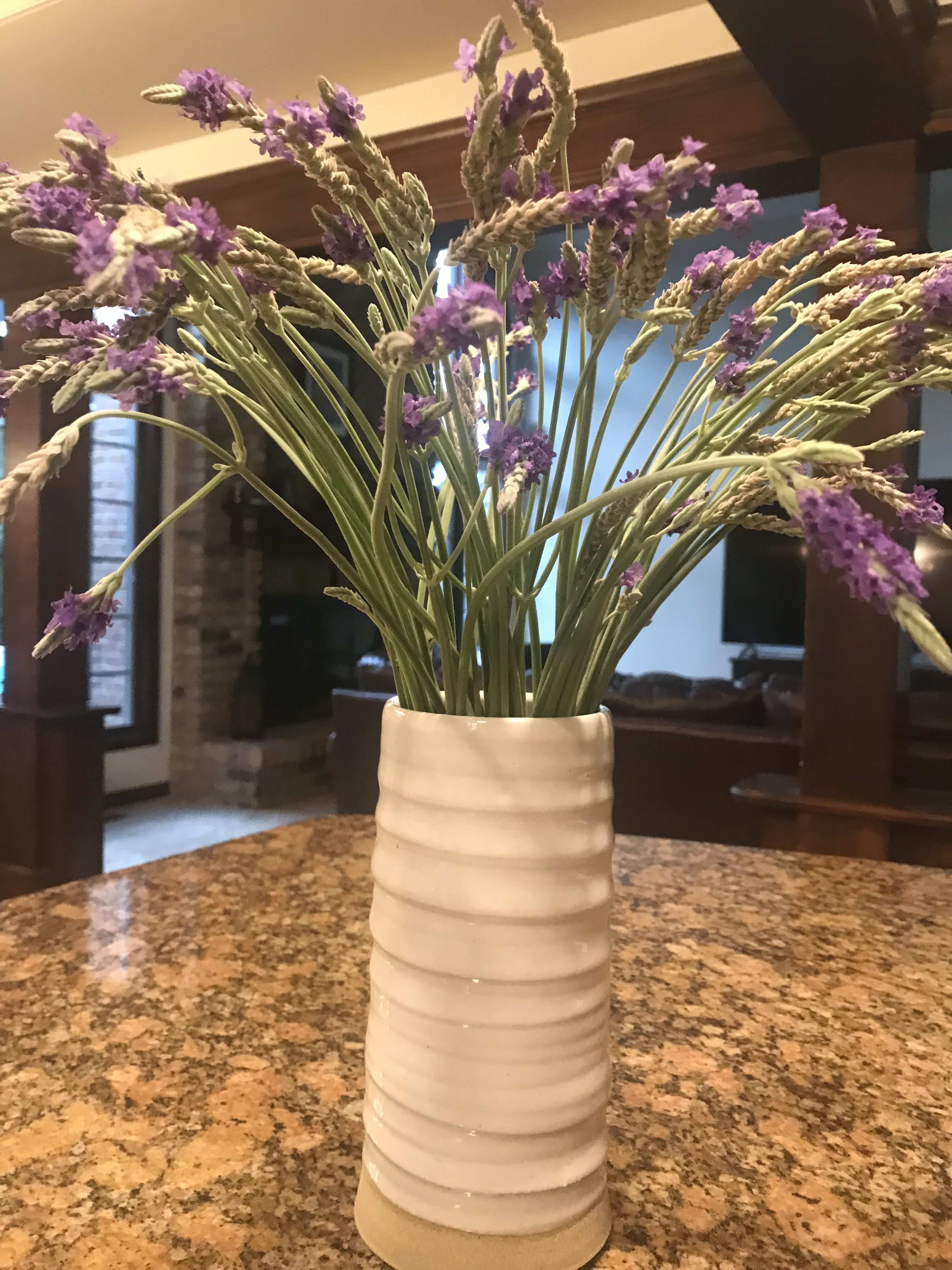
I cannot say enough about lavender. I am currently growing at least six different lavender cultivars, some of which are edible, but others earned a space in my garden because they produce the most beautiful flowers and/or smell so good. Bucci pinnate is one of my favorites and produces rows of elegant peppery long stem flowers . (They are native to the Mediterranean region, but can be grown in pots or garden beds in Chicago.) By the way, if you are a beginner gardener, herbs are probably the easiest plants to grow and you will have extras to share with friends, coworkers, and family.

The assignment this week is to make a list of the herbs you keep in your kitchen and then check out the National herb garden. Keep building out your inspiration plant list. You can always reassess and make cuts later.

Key Factors for Consideration:

Consider the properties of different cultivars and potential uses: Fragrance, Culinary, and Cut Flowers, e.g., check out aromatto basil, which smells like licorice and has a sweet taste, and piccolo basil which grows in small mounds like a ball topiary.

Posted on Leave a comment

The Conundrum of Annuals

So, my neighbor, who shall remain nameless here, only wants to plant perennials. The rational for his decision is that annuals are way too much work. But, the fact is that you limit your plant options if you only work with perennial plants, which come with the assurance that they will reappear for at least three consecutive more years. That is versus the alternative of planting annuals which exhaust their full life cycle in a single growing season. But, do they really only last one growing cycle? More on that in a minute. Sometimes plants act like annuals when they are planted outside of their (USDA) growing zone. All plants are rated as native to a growing zone, which you can find with a simple Google search and match up to the zone where you reside (with your zip code). See https://planthardiness.ars.usda.gov to find your zone.

So you may wonder then, why would anyone want to plant annuals if they only last for a single growing season. The simple answer is that you will have access to a wider selection of flowers with more colors if you set aside growing zone assumptions. I challenge you to consider, if you have been following along our plan, which plants are turning your head as you scroll though inspiration pictures (in magazines, Instagram, Pinterest, etc.). You will find that some of your ”favs” are often likely annuals in your zone (unless you live in California, where they are rewarded with beautiful weather year round). Most of us need to slug around the garden and consider workaround strategies that fit with Mother Nature’s schedule. But alas, there are workarounds. Consider dahlia tubers which you can dig up in the fall and replant in the spring.

Dahlias as Annuals

Its fitting to talk about dahlias since we are having our annual dahlia sale. You can check out pics for inspiration on the https://le-pommier.org website, but there are many more varieties and options available out there. Dahlias come in many sizes and heights, starting with a potted or border-size plant all the way up to plants with 5-6 foot stems. Beyond height, is the size of the flower bloom, some of which range up to the size of your head (no joke). If you hear the term dinner plate variety, it means that the bloom is pretty substantial.

I have a range of dahlias in my garden, beginning with American Pie, which looks great in a pot (or border) up to the Kelvin Floodlight (which is about 50 inches tall and has a bloom that approximates the size of a dinner plate). I arrange them in rows with the tallest in the back, medium in the middle, and so forth. Dahlias are not native to my zone, so I have to dig them up in fall after the first or second frost and store them until they can be replanted again. But, I love them. I love looking at them, I cut them, and even my neighbor (who doesn’t want to be bothered with annuals) told me that he can see ‘Kelvin’ from his bedroom window.

Your assignment this week if you accept it is to check out dahlia photos online and consider for your garden plan.

Key Factors for Growing Dahlias:

  • Take note of plant height and spacing requirements (dahlias look nice when planted in bunches);
  • Stake taller plants with bamboo sticks (which you can buy at most garden centers or Amazon);
  • Take cuttings for inside and proudly display in a vase;
  • Dig up tubers in the fall (after the first frost) if they are not native to your USDA growing zone;
  • Store tubers in a cool dry space (garage or basement often work);
  • Replant in the spring or later (after all danger of frost has passed); and
  • Buy more dahlias for next year 🙂