Posted on Leave a comment

Paperwhite Flowers

Growing and Caring for Paperwhites

Paperwhite flowers are super easy to grow and add a nice pop of color to the room during cold weather months. People often ask me how to care for paperwhites so I’ve outlined my process below in a few simple steps.

Five Steps for Growing and Caring for Paperwhites

  1. Paperwhites belong to the narcissus family, same as daffodils, and are commonly grown inside during the winter months. There are a number of varieties, so have fun selecting your favorites. Bulb size matters, so go for the biggest bulbs you can get your hands on for stronger stems and more flowers.
  2. Consider using an organic potting soil for your plants. Potting soil is different from garden dirt, its lighter (often containing fertilizer) to help plants develop strong root systems. Some people use stones or marble instead of soil, which is fine too.
  3. You can use any container (preferably with drainage holes to prevent water build up). The container size needed depends on the numbers of bulbs you are planting. These flowers look nice planted in clusters. For a strong showing, consider combining paperwhites with amaryllis in the planter.
  4. Plant the bulbs on top of the soil and press them slightly into the dirt. The bulbs should be near fully exposed.
  5. Place your planter in a location with full or filtered sunlight and water every 2-3 days. (These plants do not like wet feet, so avoid overwatering. (Turn the ceiling fan on if you need to dry them.) More sun is better, but if that’s not an option for you, I’ve tested different locations in my home and have found they do well almost anywhere (regardless of the amount of sunlight). Some plants can get leggy with insufficient sunlight. If so, consider staking them.

Post Harvest Care

Cut the stems once all flowers are spent and store the bulbs and container in a cool dry place. You can store the bulbs in a paper bag in a basement or garage. My bulbs often have babies, which I leave attached to the mother bulb. It may take a couple years, but the babies will flower eventually.

If you found this article was helpful, please consider tagging #le_pommier_org on IG or #LePommierLLC on FB in your posts.

Happy Growing!

Posted on Leave a comment

Growing Amaryllis

A guide for the care and feed of amaryllis plants

Getting Started

Amaryllis are the perfect flower for growing indoors during the cold weather months. People often ask me how to care for these bulbs so they produce flowers year-after-year. I’ve outlined my process below in five simple steps.I hope you find them helpful.

Five Steps for Successfully Growing Amaryllis

To grow Amaryllis you only need three tools: a garden pot or vase, the growing medium, and one or more amaryllis bulb(s).

  1. Choosing the right bulb is of utmost importance. Amaryllis come in all kinds of varieties producing various stem lengths and flower colors. So go crazy and pick out a good one. After selecting the variety, bulb size is equally important because the bulb size generally determines how many stems and flowers the bulb will produce. (Bulb size is a measurement of the bulb’s circumference taken at the widest part.)

Longfield Gardens published the below metrics for how many stems and flowers each size bulb is likely to produce:

26/28 cm – 1 stem (occasionally 2) with 3 to 4 flowers

28/30 cm – 1-2 stems with 3-4 flowers per stem

30/32 cm – 2 stems with 4-5 flowers per stem

32/34 cm – 2 stems (occasionally 3) with 4-5 flowers per stem

34/36 cm – 3 stems with 4-5 flowers per stem

See https://www.longfield-gardens.com/blog/?p=amaryllis-bulb-size-what-the-measurements-mean-and-why-they-matter#:~:text=Amaryllis%20bulbs%20are%20sized%20by,%2C%20measuring%2034%2F36%20cm.

2. Growing medium is probably less important for amaryllis. Amaryllis are known to thrive in circumstances of neglect, e.g., in wax housings or glass vases filled with rocks. My preference is to set the bulb on top of organic potting soil. Remember, the bulb should be fully exposed with only 1-2 inches of the base covered by soil or other potting medium. You can cover the soil with moss if you would like to add more interest to the pot.

3. Regarding the container, you can use a glass vase or a 4-6″ garden pot. You don’t need a lot of room unless you are planning to put multiple plants in a single container. (If so, adjust the pot size accordingly.) You may want to stake longer amaryllis stems with, e.g., bamboo, etc. (18-24″ inches tall) and secure with Velcro tape.

4. Amaryllis do not like wet feet, so water only as needed. The soil should feel damp to the touch but not wet. My rule of thumb is to water every 2-3 days with a small amount. If you think you over watered the plant, turn the ceiling fan on to help dry the top soil. Your amaryllis should begin to flower within 2-3 weeks of bringing the plant indoors, with larger bulbs blooming for up to two months.

5. After the flowers are spent, remember to cut the stems down to the bulb to make room for more stems to grow, taking care not to cut the leaves. After all flowers are spent, you should have a plant with long chunky green leaves.

Post Harvest Care

Consider the bulb as a power station for your flowers. Taking care to feed the bulb’s energy needs throughout the year with plenty of sun exposure, the bulb size will increase incrementally and produce even more flowers and thicker /stronger stems for years to come. You can keep your plant going throughout the year by setting the pot in a sunny window indoors and outside in the summer. I generally let my amaryllis go through to October and then cut the leaves down flat against the bulb (removing all plant matter). You can store the bulb in a cool dry place, e.g., in a paper bag, until you are ready to start again. I usually start mine in early December. You don’t need to water the bulbs while they are dormant (in storage).

Happy Growing!

Posted on Leave a comment

Herb Gardens

Let’s talk about herbs tonight. Why? Because it’s a Friday night and I’m hungry. Did you know that there is actually a National Herb Society and Museum that you can visit that have beautiful collections of every herb imaginable arranged in stunning displays that are bound to capture the wonder and imagination of the auspicious gardener? The website boasts that its the largest “designed” herb garden in North America.

Don’t take my word for it. Take a virtual journey to Washington D.C. and open your mind to the possibilities. While you are at it, check out the National Herb Society. Once you do, you will never look at herbs the same again because you will come across terms like knot gardens that will have you second guessing garden plans with simple rows.

The Benefits and Uses of Herbs

My husband likes to entertain the neighbors with wild tales about the (illicit) plants that he implies I’m growing under heat lights, but truth be told I’m really just into flowers… Herbs can be used for a wide range of applications. Top of mind to me are culinary, fragrance, and cut flowers. Some people have thoughts about medicinal properties, but thats a separate topic for someone else with more experience in that area. I use herbs to cook with, but I also toss them into salads; boil in homemade teas; and make cut flower arrangements. One of my favorites is Lavender.

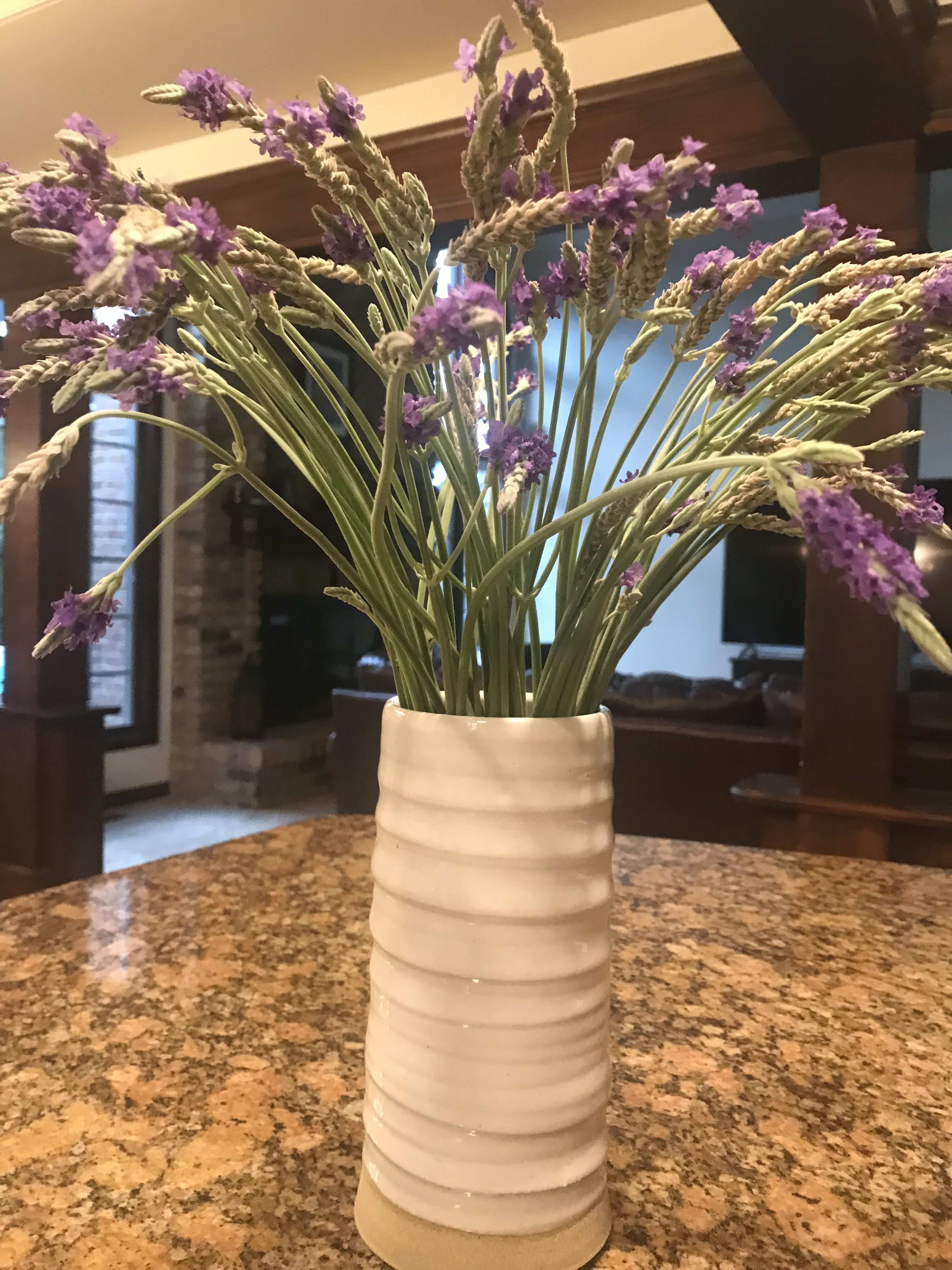
I cannot say enough about lavender. I am currently growing at least six different lavender cultivars, some of which are edible, but others earned a space in my garden because they produce the most beautiful flowers and/or smell so good. Bucci pinnate is one of my favorites and produces rows of elegant peppery long stem flowers . (They are native to the Mediterranean region, but can be grown in pots or garden beds in Chicago.) By the way, if you are a beginner gardener, herbs are probably the easiest plants to grow and you will have extras to share with friends, coworkers, and family.

The assignment this week is to make a list of the herbs you keep in your kitchen and then check out the National herb garden. Keep building out your inspiration plant list. You can always reassess and make cuts later.

Key Factors for Consideration:

Consider the properties of different cultivars and potential uses: Fragrance, Culinary, and Cut Flowers, e.g., check out aromatto basil, which smells like licorice and has a sweet taste, and piccolo basil which grows in small mounds like a ball topiary.